
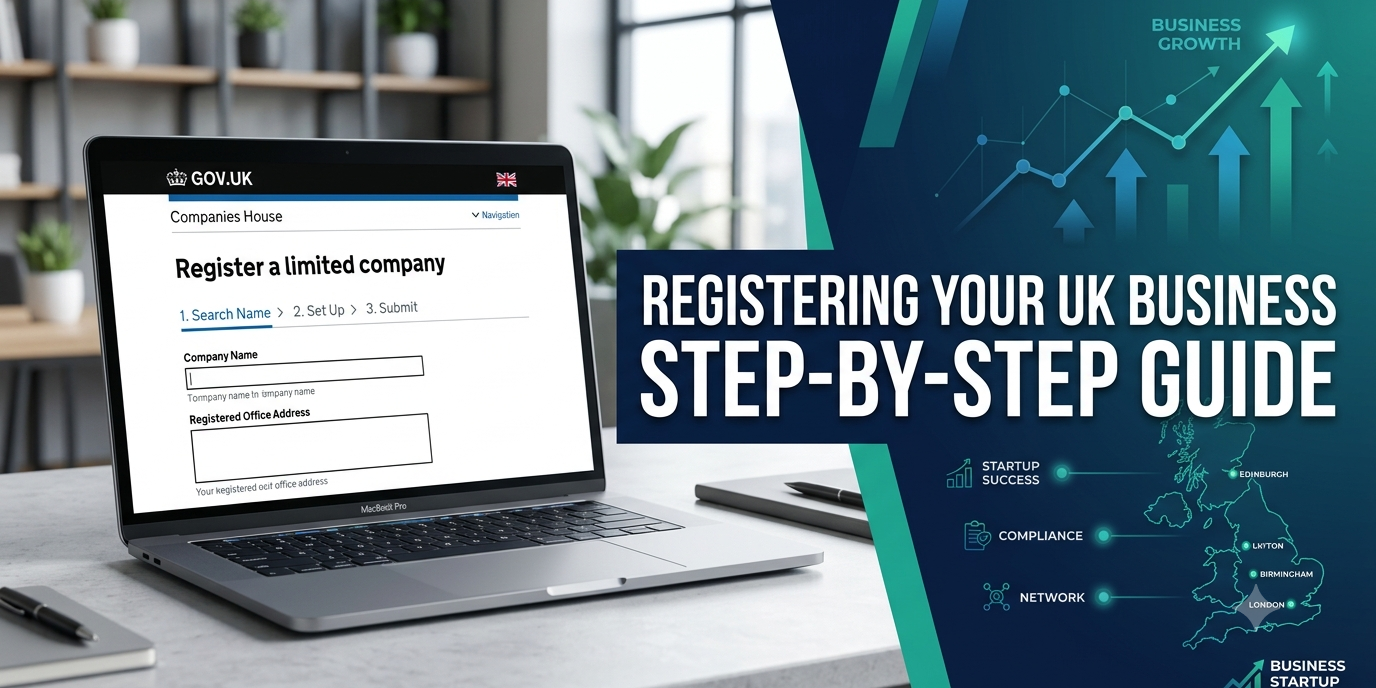
What is the cheapest way to register a UK company as a limited company?
The cheapest way to register a UK company as a standard limited company is through the GOV.UK portal for a flat fee of £100. Alternatively, third-party formation agents like Companies Made Simple offer bundled packages starting at £104.99 + VAT, which include statutory templates and compliance tools.
Setting up a limited company (LTD) is a major milestone. In the UK, this process is managed by Companies House. Since the implementation of the Economic Crime and Corporate Transparency Act, the registration landscape requires stricter identity verification and specific address compliance.
Here is exactly how to register a UK company efficiently and cheaply.
Options: register a UK company: Pricing vs. Convenience
When registering, bootstrapped founders generally choose between going directly to the government or using an authorized formation agent.
| Feature / Option | Companies House Direct | Companies Made Simple (Basic) |
| Total Out-of-Pocket Cost | £100.00 (No VAT) | £104.99 + VAT (~£125.99) |
| Processing Speed | Within 24 hours | As little as 3 working hours |
| Privacy Safeguards | None (Home address becomes public) | Included in higher tiers (£114.99+ VAT) |
| Corporate Extras | None | First Board Minutes, Share Certificates, Startup Tools |
Bootstrapper’s Verdict: If you just want the bare-minimum legal structure when you register a UK company and don’t mind your home address being on the public register, go Direct. If you want legal paperwork (like share certificates) generated for you instantly, a third-party agent offers better overall value for your time.
Step-by-Step Guide to Direct Digital Incorporation
Step 1: Run a Check on Your Chosen Name
Before paying anything, use the free Companies House Name Availability Checker. Your name cannot be identical to an existing company, nor can it include “offensive” or “sensitive” words without justification.
Step 2: Establish Your Official Addresses
You need two addresses:
-
Registered Office Address: The official, physical address where government mail is sent. This is added to a permanent public database.
-
Director’s Service Address: The official contact address for you as an individual.
Step 3: Assign Roles and Shares
When you register a UK company, you must name at least one Director and at least one Shareholder (these can be the same person). You will need to decide on your share structure. For a solo bootstrapper, starting with 100 shares valued at £1 each is a standard, clean setup.
Step 4: Submit and Pay via GOV.UK
Log into the digital portal, fill out the memorandum and articles of association (the standard “Model Articles” work perfectly for most startups), and pay the £100 fee.
In-Depth Bootstrapping Tips & Tricks
-
Protect Your Privacy on a Budget: Under UK rules, using your home address as your registered office means anyone can look up where you live. If you don’t want to buy an expensive physical office, purchase a Virtual Registered Office Address (offered by formation agents or virtual office providers). It satisfies the legal “appropriate address” criteria while keeping your home private.
-
Watch Out for Bank Bundles: Many business banking apps (like Tide or ANNA Money) offer free or heavily discounted company registration if you open a business bank account through their platforms during setup.
Build a Scalable Foundation From Day One. Registering your name is only the first piece of the puzzle. To make sure your company structure is legally secure, your finances are organised, and your operations are ready to scale, check out our masterclass: Strategic Growth & Operational Readiness: Building a Scalable Startup Foundation.
The Takeaway: When you register a UK company, guidelines require you to maintain accurate records and protect your privacy. Prioritise a secure address, choose a clean share structure, and build a compliant foundation that is truly engineered to grow.